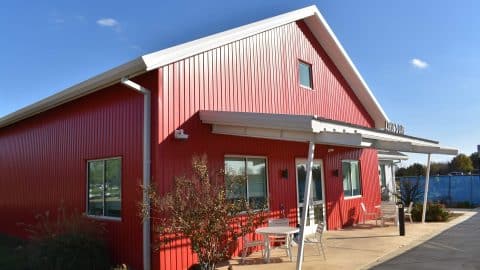
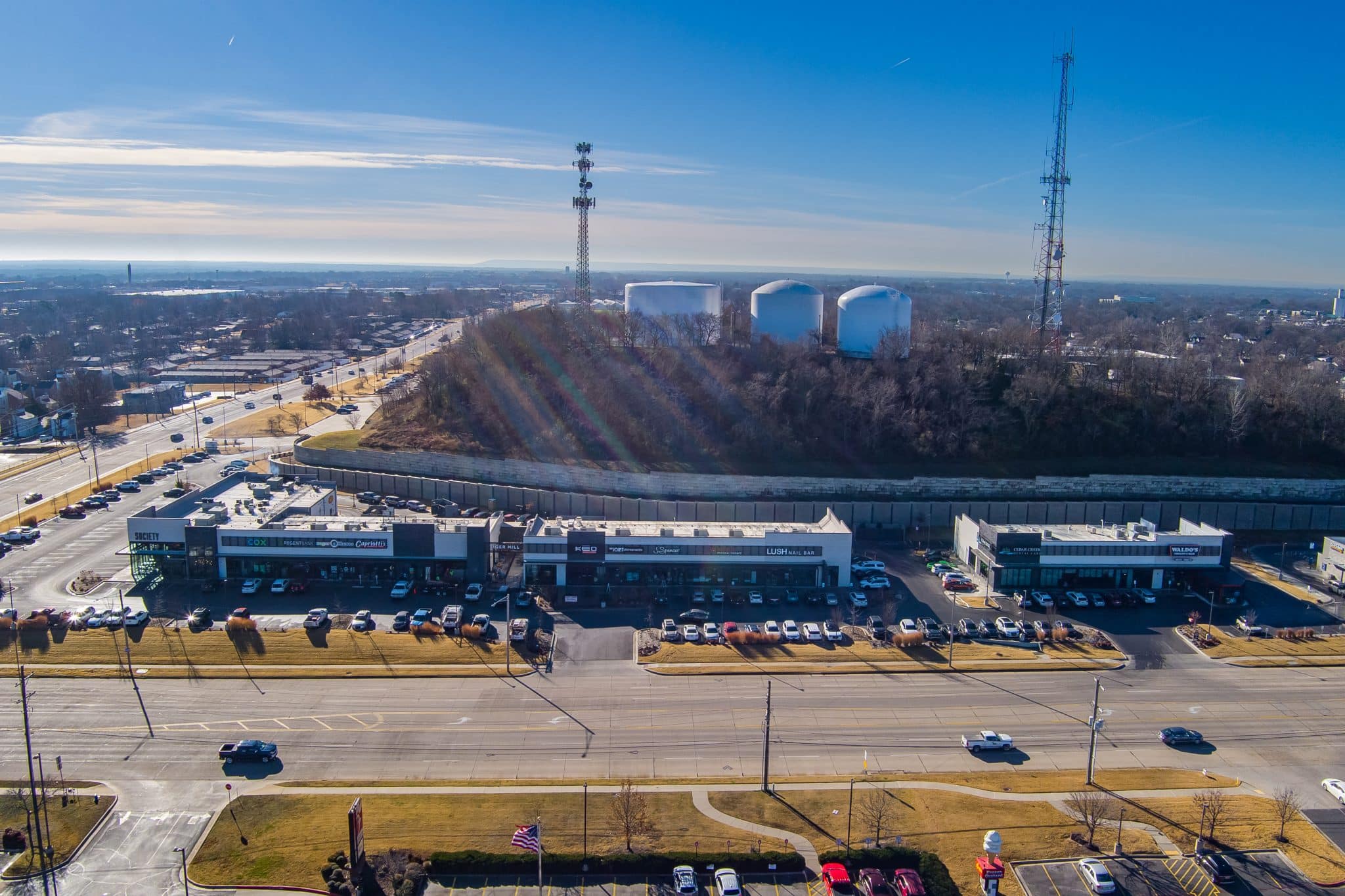
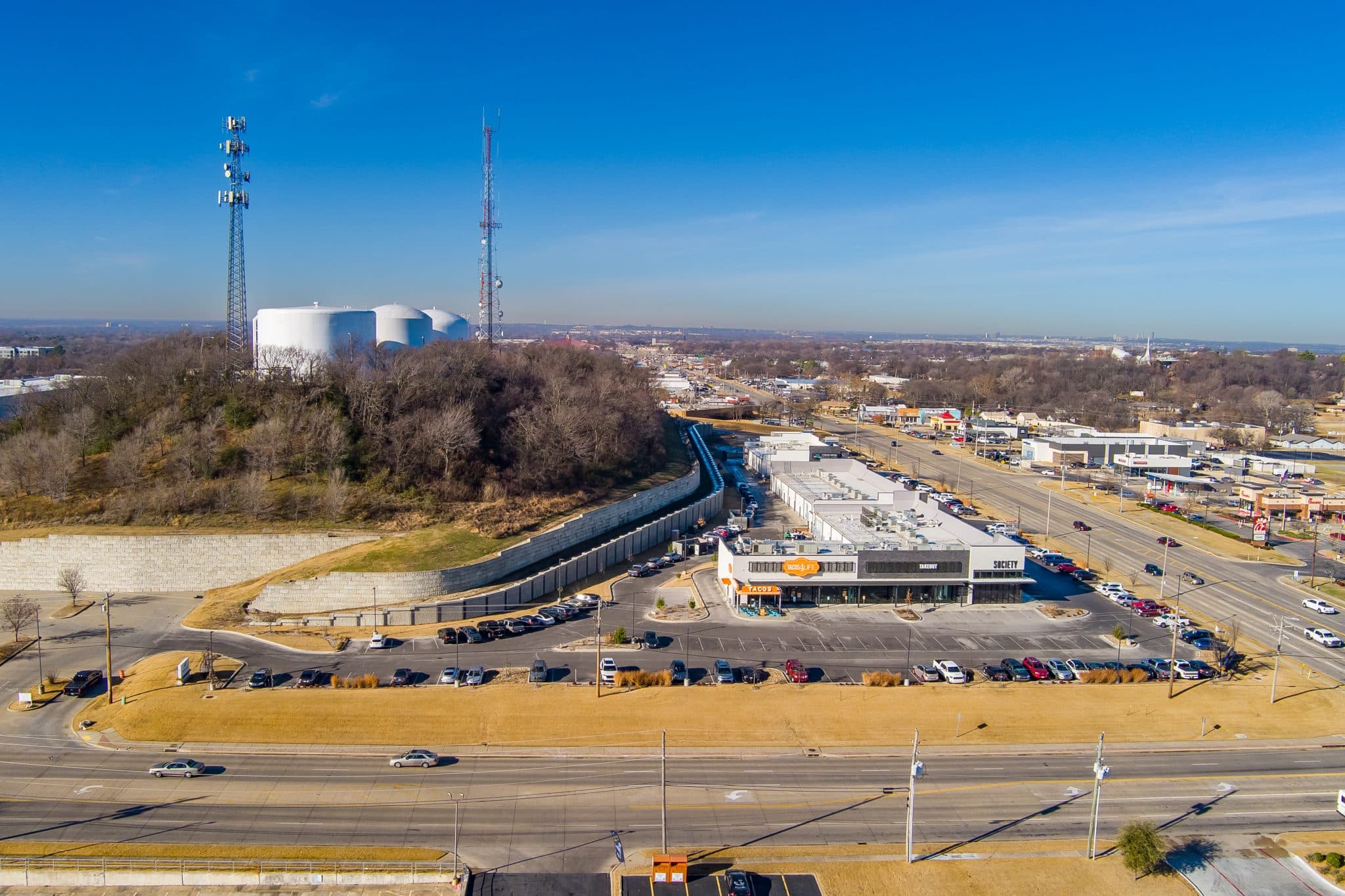
During Phase 1, the Tiger Hill Retail Development was constructed using conventional structural steel. However, in Phase 2, post-COVID supply chain disruptions threatened both schedule and cost. The developer needed a solution that would maintain the approved architectural finishes and design intent while mitigating long lead times and material volatility.
Solution
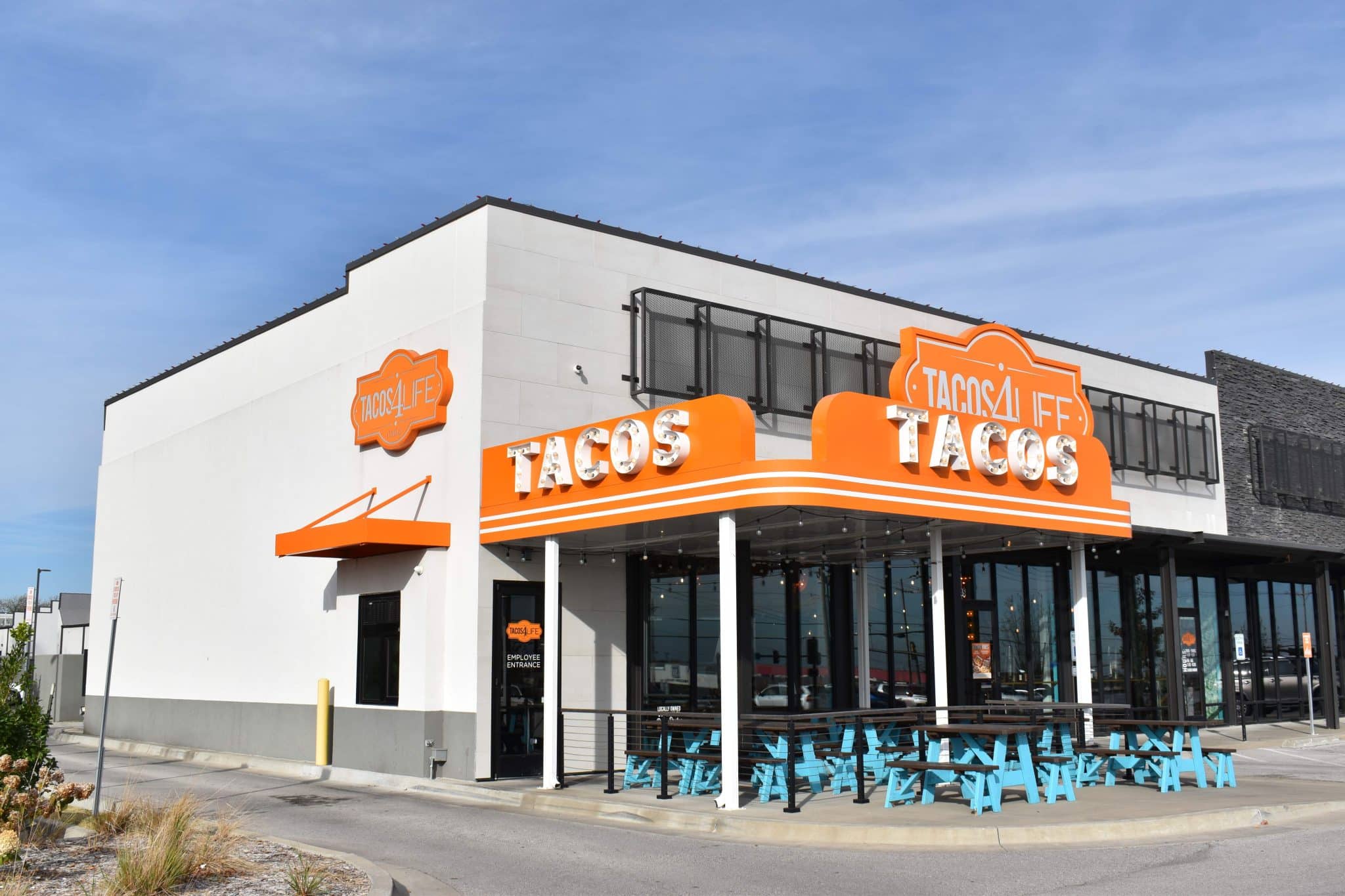
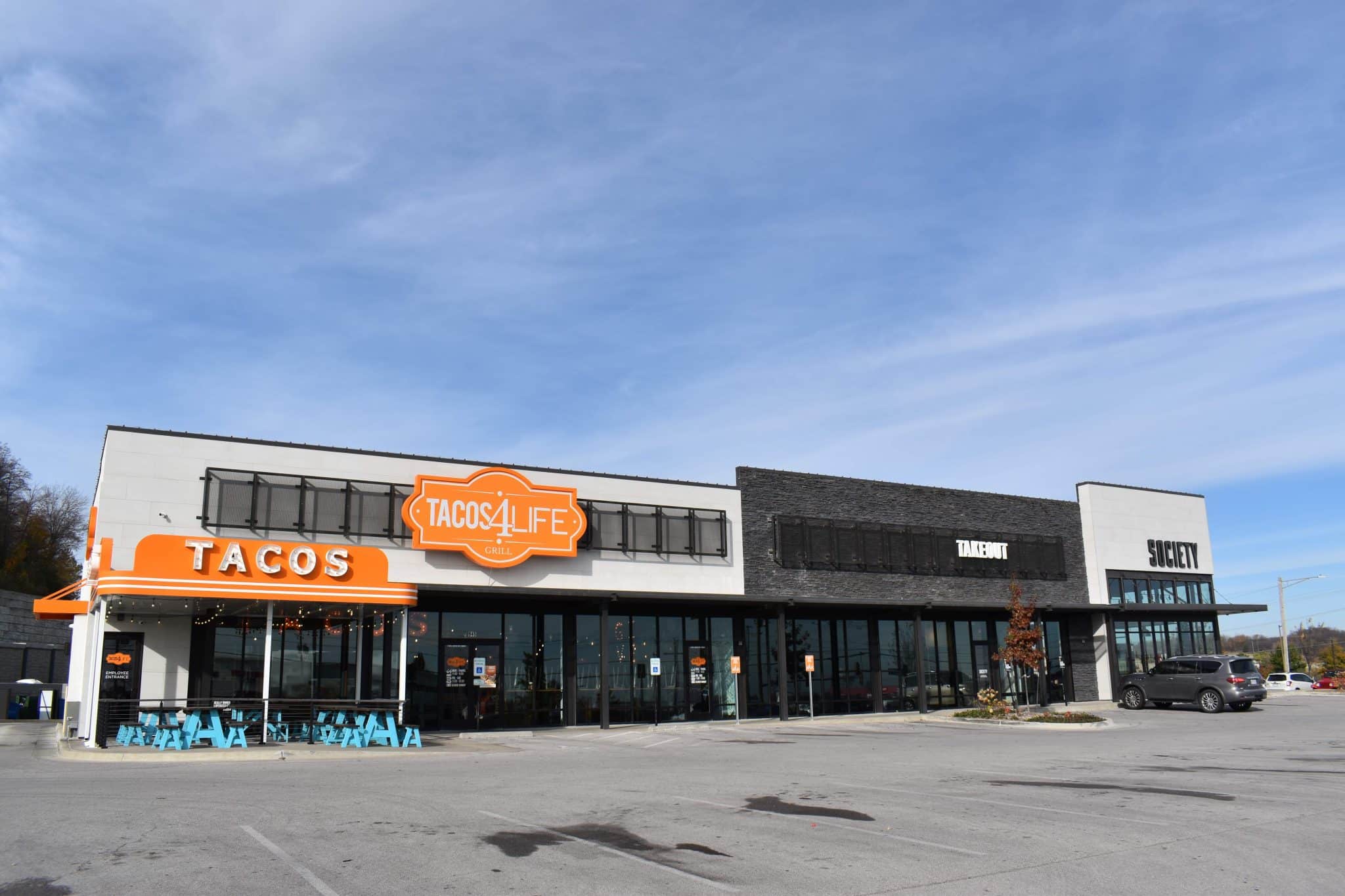
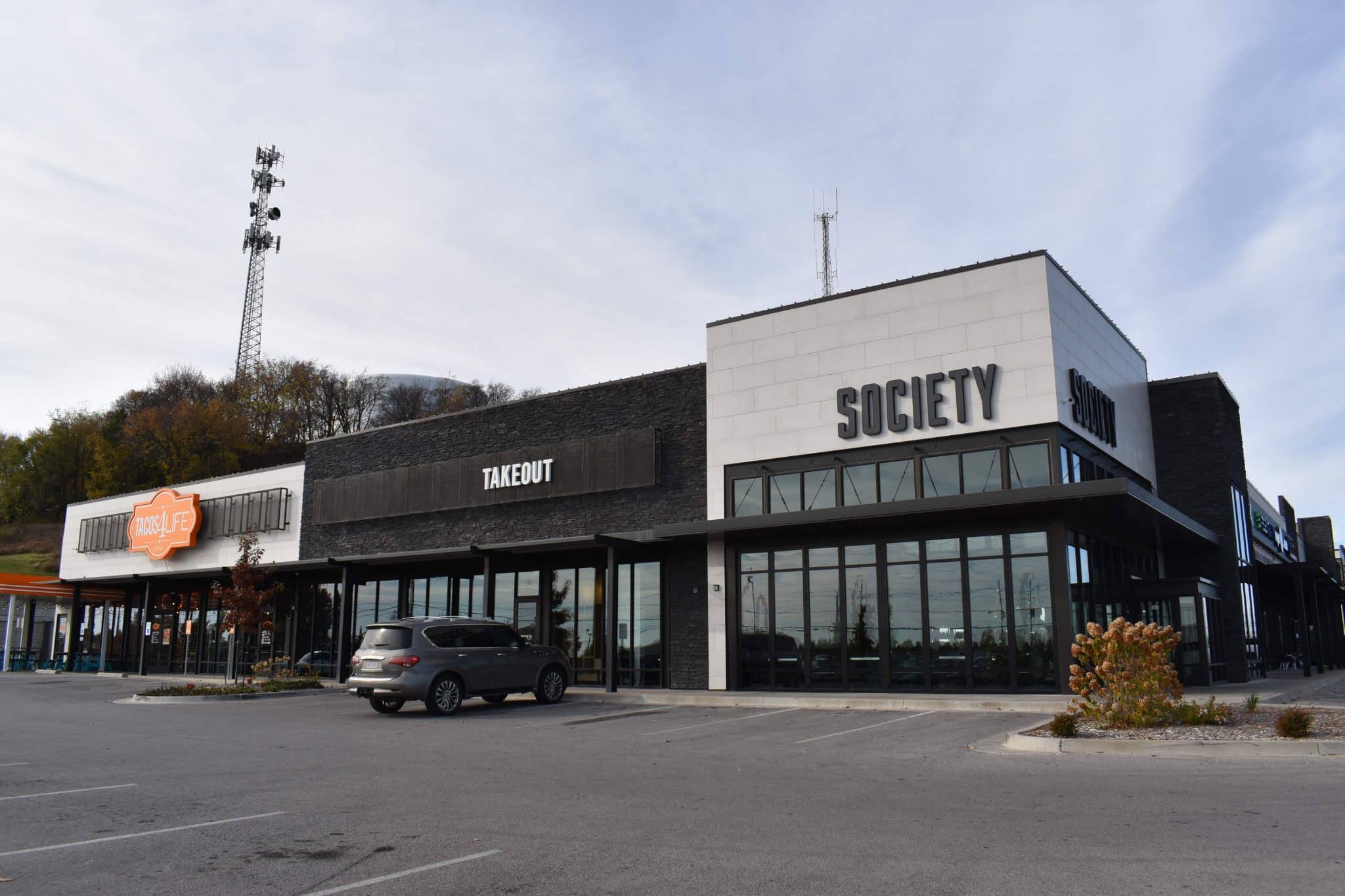
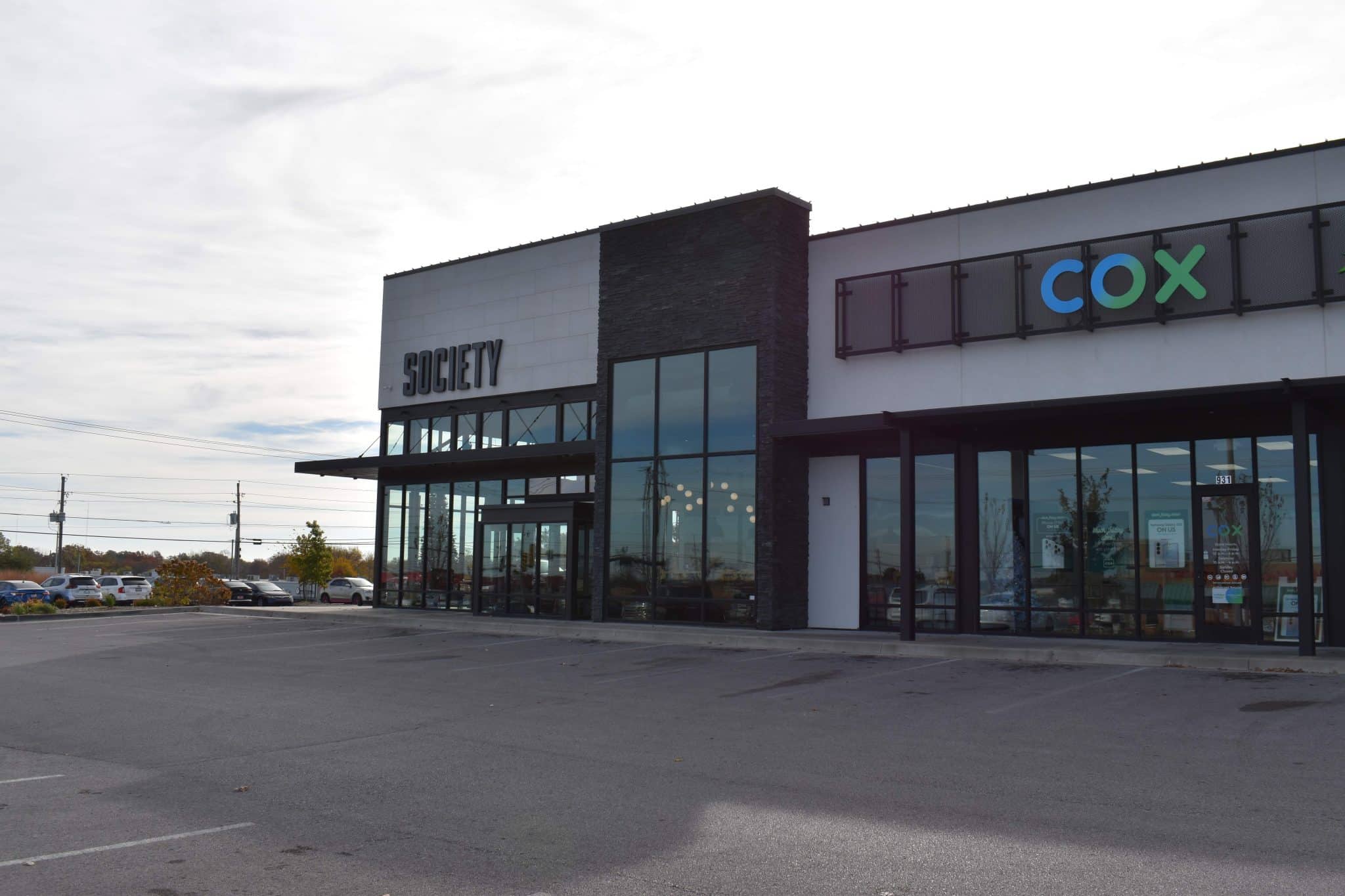
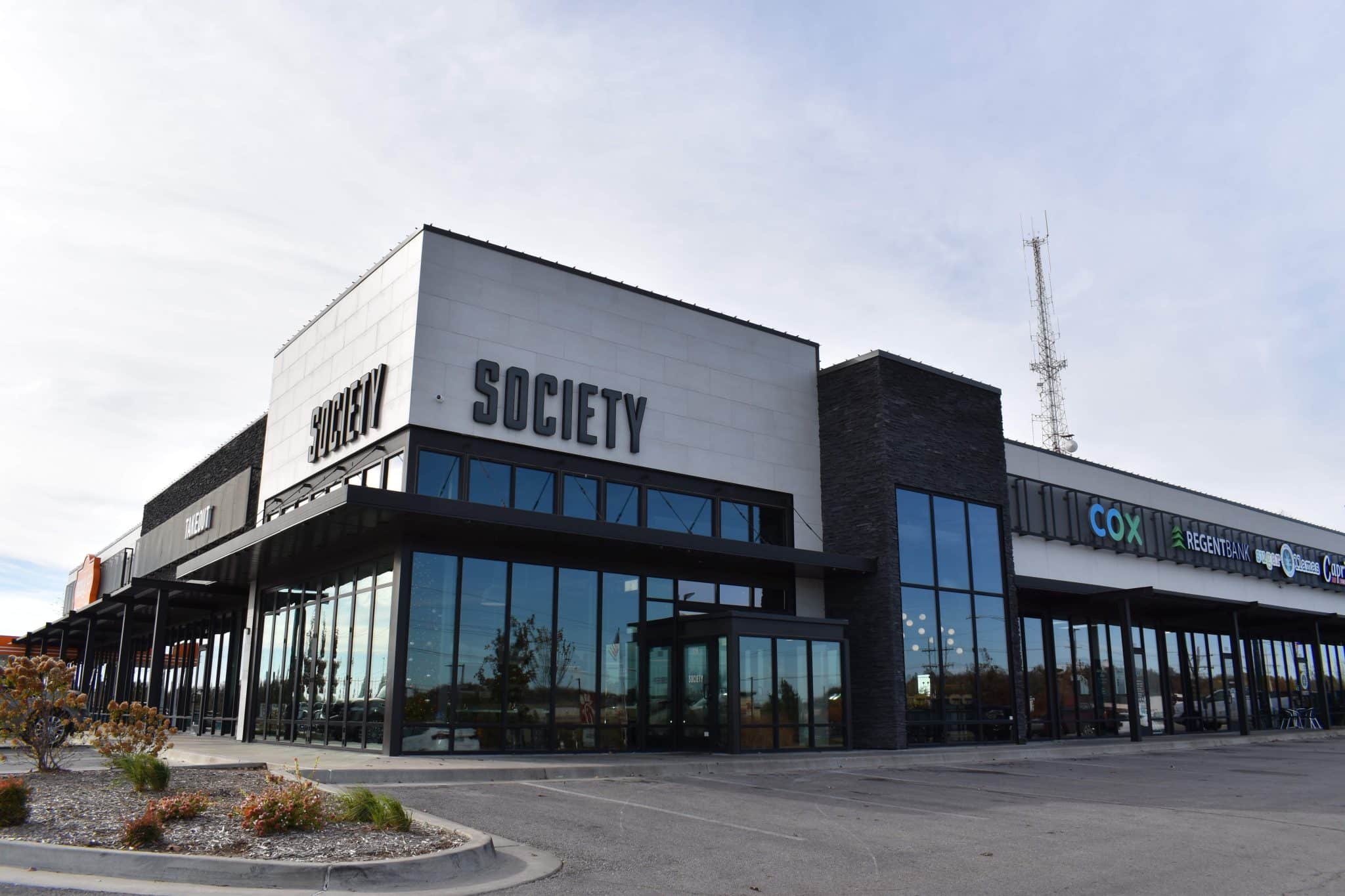
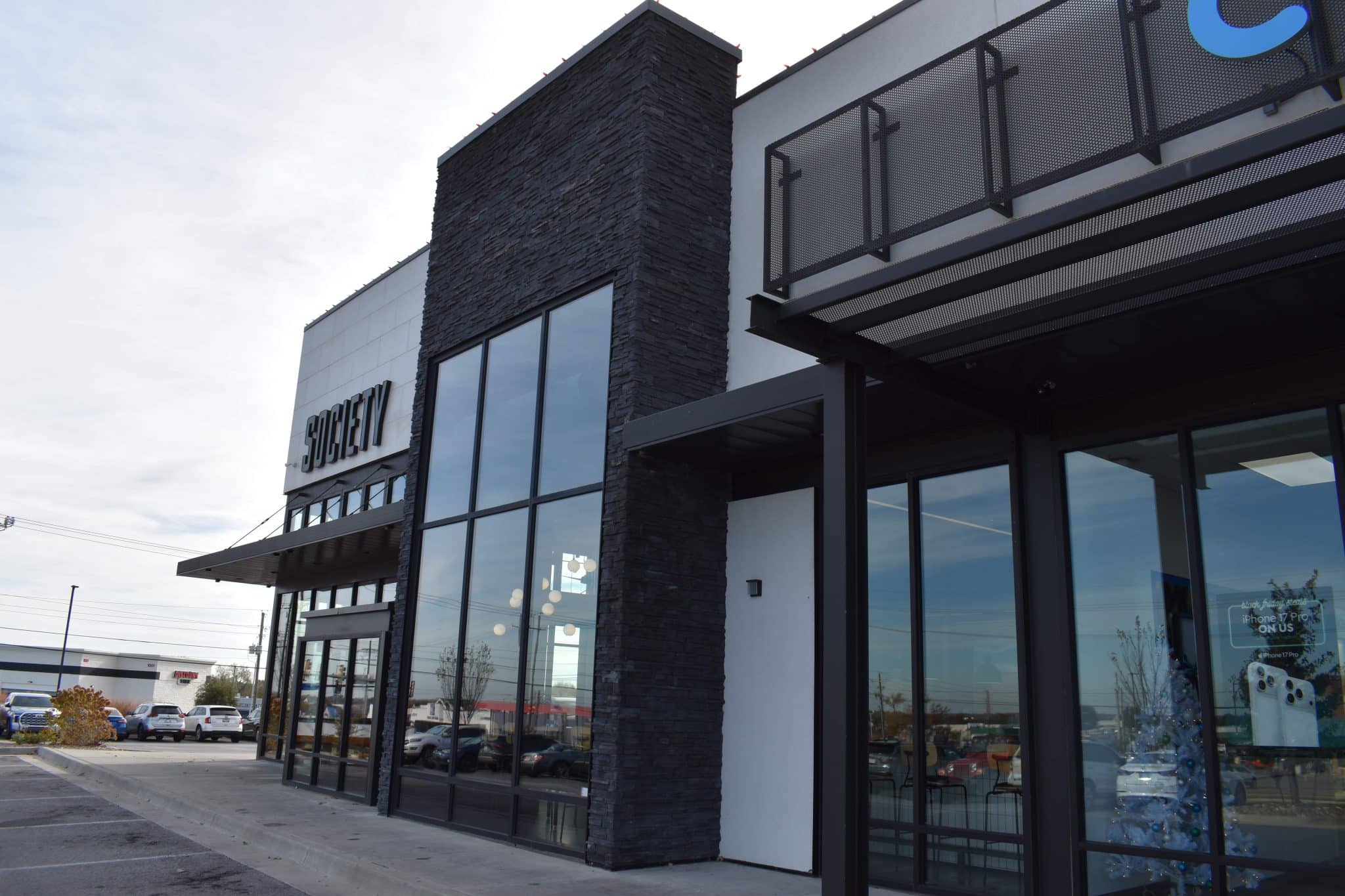
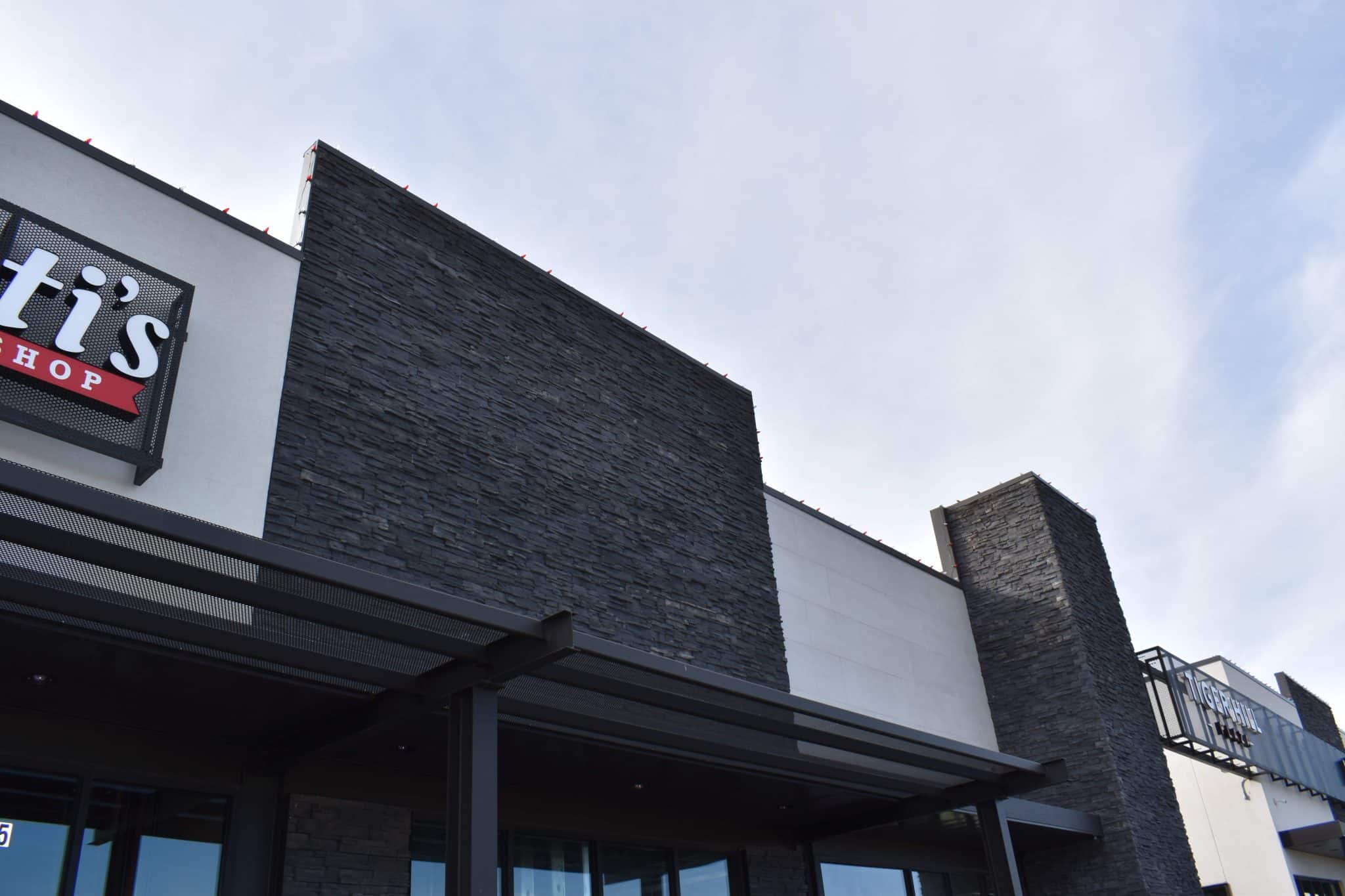
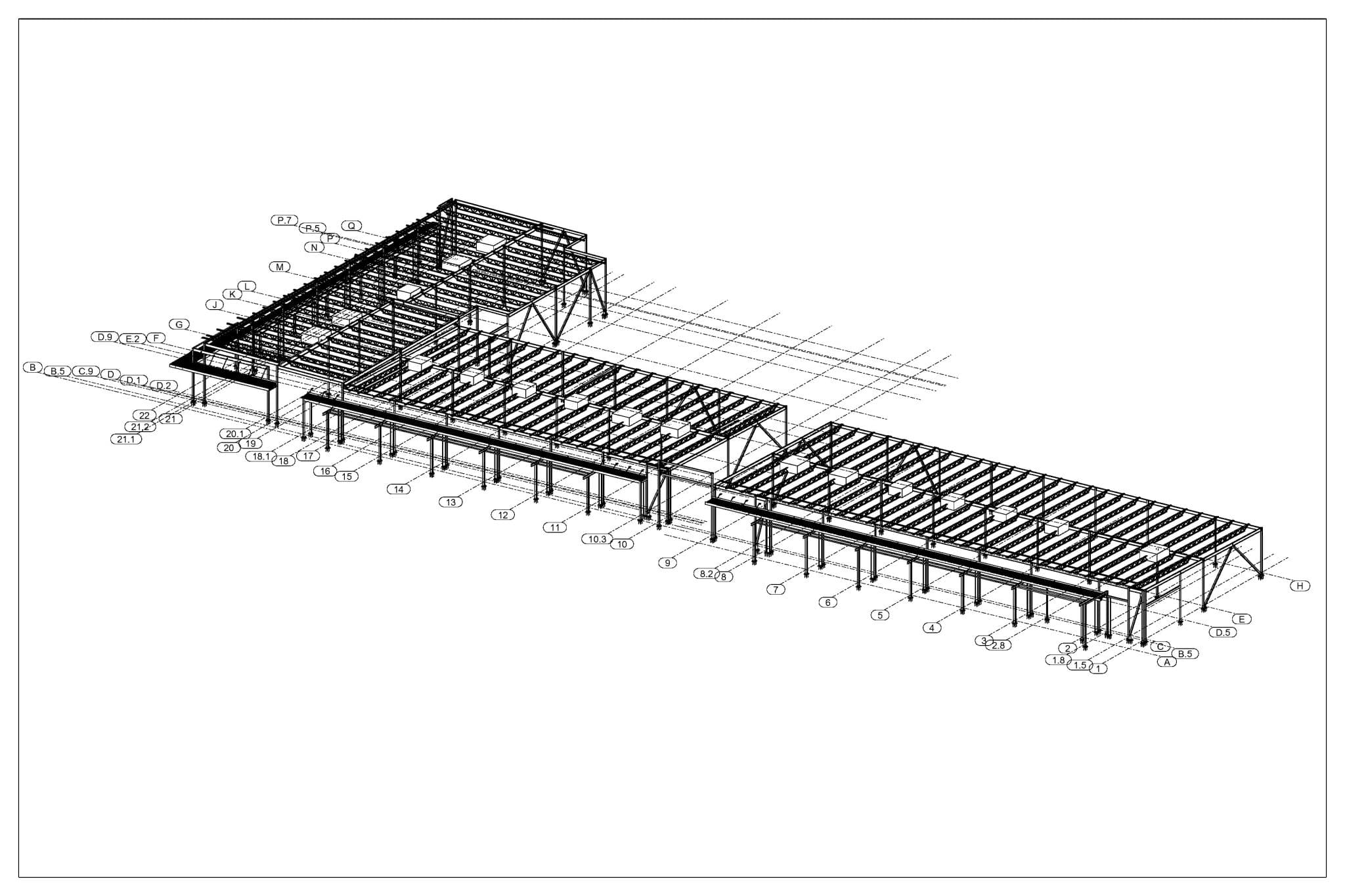
Our team re-engineered Phase 2 as a pre-engineered metal building (PEMB) system without altering any exterior design features. This strategic shift preserved the original façade treatments and architectural rhythm, while significantly reducing fabrication time and material costs. The conversion allowed the developer to maintain consistency across both phases despite challenging market conditions.
Result
By transitioning from conventional steel to PEMB, the project delivered substantial time and cost savings while maintaining the same high-quality exterior appearance. Tiger Hill Retail Development stands as a case study in adaptive problem-solving, where innovation and flexibility kept the development on track during a volatile period for construction materials.


 Metal Building Industries